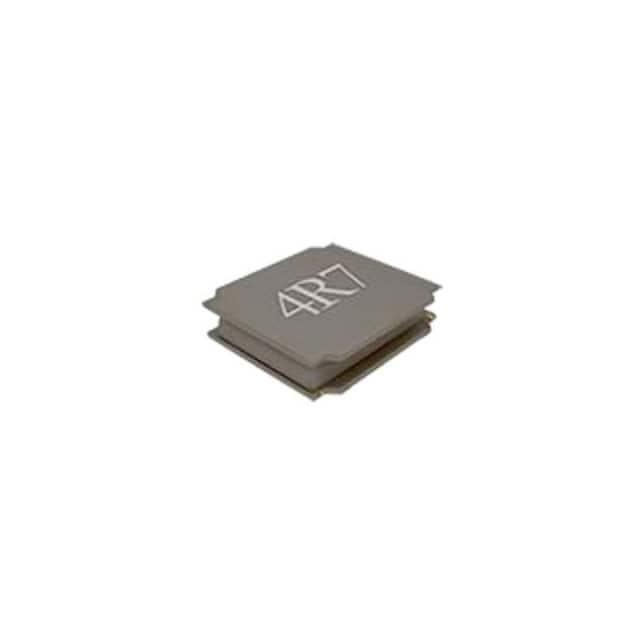
Resistors are essential components in many electronic circuits. From designing power supplies, managing battery systems and building everyday electronics to choosing the appropriate resistor type when designing power supplies or managing battery systems - selecting the correct resistor can make a dramatic difference!
In this post, we'll cover three major kinds of resistors - current sense resistors, shunt resistors and standard resistors as well as their functions and uses across applications.
Definition and Functions of Current Sense, Shunt and Standard Resistors

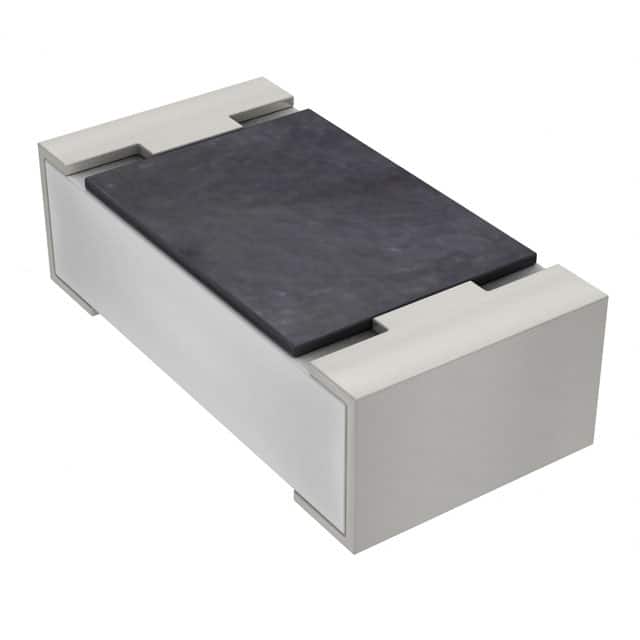
Current sense resistors are precision components designed to measure current with minimal interference to other circuit components in an application. They usually feature low resistance values ranging from 1 microohm (mO) to 100 microohms.
Current sense resistors serve a primary function by producing a small voltage drop proportional to the current flowing through them, according to Ohm's Law (V = IR).
Measuring voltage drop to determine current in a circuit. Current sense resistors must also be added along the current path for accuracy.
Low-resistance resistors ensure minimal impact on overall power dissipation within an electrical circuit, making them perfect for applications such as battery management systems and power supplies. They're especially suited for systems requiring accurate, current real-time measurements.

Shunt resistors measure current in high-power applications. Usually featuring low resistance values (in the milliohm range), they are designed to handle larger current flows without damaging them.
When current passes through a shunt resistor, it produces a voltage drop proportional to its flow; this voltage drop can then be measured and used to calculate the current in the circuit.
Shunt resistors are designed to accommodate higher currents than current sense resistors, making them suitable for power distribution systems and industrial machinery.
Shunt resistors can also be utilized in large battery packs where accurate current monitoring is essential. Shunt resistors offer more power dissipation while handling larger currents without overheating, making them necessary in high-power applications.

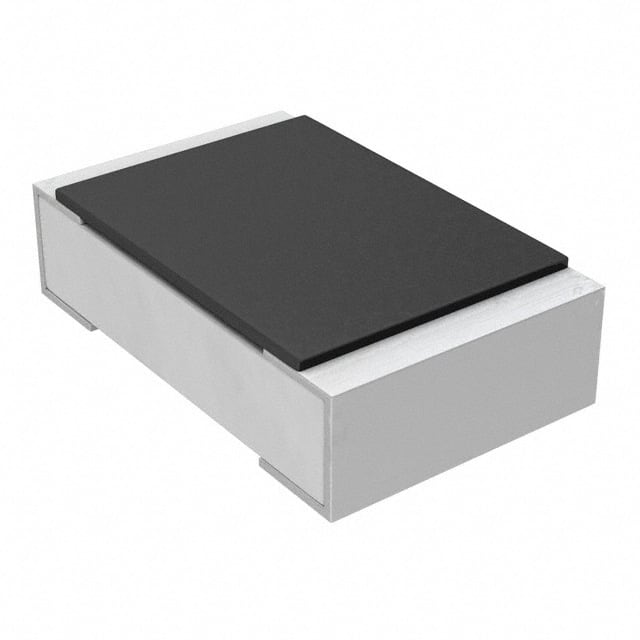
Standard resistors are the most prevalent type of resistor found in electronic circuits. Their primary purpose is not measuring current but restricting or controlling its flow.
Standard resistors come with various resistance values ranging from ohms to megaohms to suit different circuit needs.
Standard resistors maintain an ideal voltage level, limit current flow, and protect components against excessive loads.
Standard resistors use Ohm's Law to produce a voltage drop across them, which are commonly found in voltage dividers, current-limiting circuits, and protective components in various electronic devices.
Resistors Are Used in Different Applications - Here Are Their Key Differences.
Resistance Values
Current Sense Resistors: These resistors typically feature very low resistance values between 1 MOhms and 100 MOhms for accurate, current measurement without incurring significant voltage drops or power losses in their circuit. This ensures precise current measurement without creating significant voltage drops or power losses that interfere with accurate current measurement.
Shunt Resistors: Shunt resistors feature low resistance values but are generally designed to manage larger currents. Depending on application needs, their resistance values typically range between 1 microOhm (mO) and 10 mO, with voltage drops maintaining accurate current measurement.
Standard Resistors: Standard resistors have resistance values ranging from several ohms to several megaohms. Instead of measuring current, these resistors are more commonly used to limit or control current flow in circuits based on circuit requirements; their resistance values should be selected accordingly.
Power Handling and Dissipation
Current Sense Resistors: Current sense resistors tend to have lower power ratings, typically between 0.5W and 5WTheirwThei. The resistance produces heat dissipation and precise current measurements without significant power dissipation, making them ideal for applications requiring precise current measurements with minimal dissipation.
Shunt Resistors: Shunt resistors are designed to handle higher power levels, typically between 1 W and 50 W, depending on size and application. They aim to dissipate power generated by large currents without degrading performance or reliability. This makes them essential in high-current applications where large amounts of energy must be measured and managed.
Standard Resistors: Their power handling capabilities vary significantly based on their size and intended application. With ratings ranging from 0.125 W to several watts, their usage in electronics or industrial applications such as power electronics is typically not intended for high-precision current measurements but more for current regulation or protection purposes.
Accuracy and Precision
Current Sense Resistors: Current sense resistors are designed to deliver accurate, current measurements at precise tolerance levels (typically +-0.1% to +-1%). They are often utilized in battery management systems, power supplies, and medical devices where the current measurement accuracy is critical.
Shunt Resistors: Shunt resistors also offer precise measurements with less accuracy than current sense resistors. Their tolerance range typically lies between +-1% to +-5% depending on your application; these resistors are frequently employed in systems which monitor large currents but don't need the same level of precision as current sense resistors.
Standard Resistors: Standard resistors tend to have wider tolerance ranges than current sensing or shunt resistors, typically from +-1% to +-5%. They're intended not for precise current measurements but serve other functions like voltage regulation, current limiting, and circuit protection.
Summary of Key Differences
Current sense resistors offer low resistance (1 mO to 100 mO) and high accuracy (+0.1% to +1%), making them suitable for applications such as battery management systems and power supplies requiring precise current measurements, typically handling low power (0.5 W to 5 W).
Shunt resistors can manage higher currents with resistance values ranging from 1 microohm (mO) to 10 mm and are suitable for power distribution systems or industrial applications requiring larger power dissipation (1 W to 50 W). Their less accurate (+-1% to +-5%) operation also makes them well suited to handling greater current dissipation (1W-50W).
Standard resistors are commonly used for current control, with resistance values ranging from several ohms to megaohms. Their accuracy varies between +-1% and +5%, making them suitable for voltage dividers or current-limiting circuits with lower power handling needs (from 0.125 W up to several watts).
also read: Potentiometer vs. Variable Resistor: Practical Insights Applications
Practical Applications of Current Sensing Shunt Resistors and Standard Resistors
Current Sense Resistors. Electric vehicles (EVs) rely heavily on current sense resistors to monitor battery currents accurately. Tesla uses 10mO resistors in its Model S to monitor charging and discharging cycles; this helps ensure safe current limits, thus prolonging battery lifespan up to 300,000 miles! Thanks to precise regulation and current monitoring, Tesla batteries can last over 100k miles with precision monitoring of currents.
Shunt Resistors.In high-power applications like electric vehicle battery packs, shunt resistors measure large currents. For instance, Nissan Leaf uses 1 MO shunt resistors to measure currents up to 500A in its battery pack. This enables its battery management system to control charging and discharging rates within safe operating parameters and optimize efficiency, ultimately providing better longevity and power usage from its system.
Standard Resistors. Standard resistors play an integral part in protecting sensitive components in home appliances. For instance, washing machines rely on standard resistors (typically between 10O and 100O) to control current flowing through their motor and thus prevent overheating, prolonging their lifespan while extending safety for users and prolonging appliance longevity. Furthermore, these resistors are essential in stabilizing current and avoiding damage to low-power electronics systems.
Conclusion
Resistors are essential components in electronic circuits, each type offering specific benefits. Current sense resistors provide precise current monitoring in low-resistance applications, such as battery management systems or power supplies. They provide accurate measurements of current for battery management systems or power supplies.
Shunt resistors can safely handle much higher current loads while maintaining precise measurement capabilities, making them essential components for electric vehicle battery packs and industrial power systems.
Standard resistors serve many crucial circuit functions ranging from current limitation to voltage division, making them a critical element of consumer electronics and basic circuit designs. Their selection and implementation directly impact circuit efficiency, measurement accuracy, system reliability and overall system security - emphasizing their essential role in electronic design.