In many modern gadgets and machines, the motor speed is a key factor in their performance. Whether it’s a drone, an electric car, or a fan, controlling the speed of the motor is crucial. To achieve this, Electronic Speed Controllers are used. ESCs can control the speed of motors in two main ways: using capacitors or using digital control like Pulse Width Modulation or PWM. In this article, we’ll look at both methods and understand their pros, cons, and best uses.
What is an Electronic Speed Controller?
An Electronic Speed Controller (ESC) is a device that adjusts how fast an electric motor spins. It does this by controlling the voltage and current that are sent to the motor. The way it works is by using something called pulse-width modulation (PWM), which rapidly turns the power on and off to control the motor’s speed. How well an ESC works depends a lot on its design, which may use capacitors, digital control, or both.
Capacitor-Based Speed Control in ESCs
How Do Capacitors Help in ESC Design?
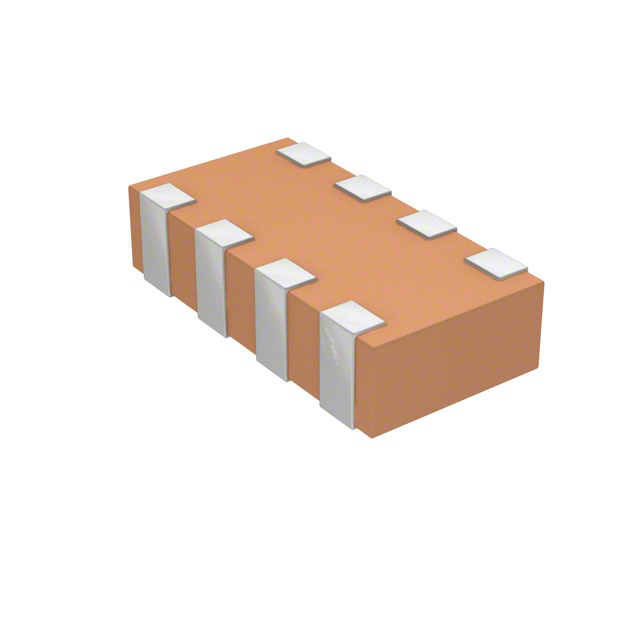
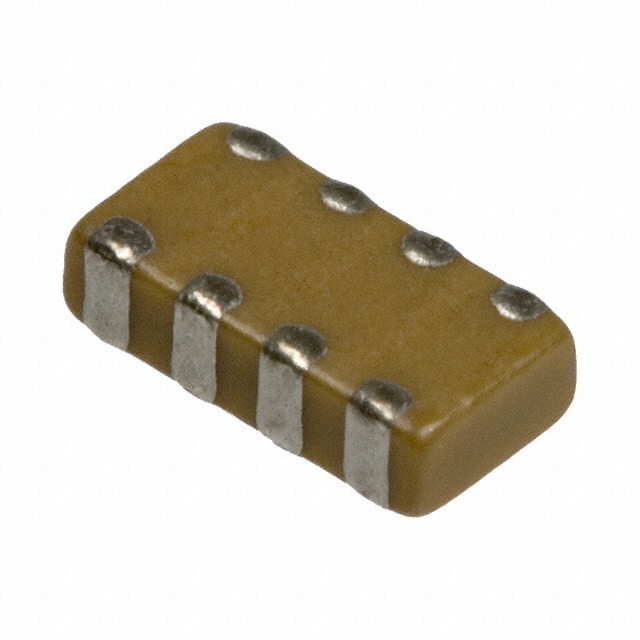
Capacitors are special electrical components that store and release energy. In ESC systems, capacitors help ensure that the motor gets a stable and clean supply of power. They smooth out any spikes or drops in the power supply, which can interfere with the motor's performance. In other words, capacitors make sure the motor runs smoothly and doesn't get damaged by unstable electrical power.
The Types of Capacitors Used in ESCs
There are two main types of capacitors used in ESCs: bulk capacitors and filter capacitors.

- Bulk capacitors store energy and help balance the power supply.

- Filter capacitors remove unwanted electrical noise, which could affect the motor’s performance.
These capacitors work together to stabilize the power, helping the motor run more efficiently and for a longer time.
Capacitor-Based Speed Control: Simple and Low-Cost
Capacitors offer a simple and inexpensive solution for controlling motor speed. This is especially true for single-phase motors, like those used in fans and small appliances. Quora and Visicomm Industries highlight that capacitor-based systems are common in appliances like ceiling fans, where a basic but reliable speed control is needed.
How Capacitors Create a Phase Shift
Capacitors are essential in motor circuits because they create a phase shift between the current flowing through the motor windings. This shift helps the motor start and run smoothly. In induction motors, for example, this phase shift is what allows the motor to start without additional help. This makes capacitors an easy and effective solution in less complex setups.
Limitations of Capacitor-Based Speed Control
While capacitor-based speed control is great for basic applications, it’s not very precise. For systems that need fine control or high efficiency, digital systems are usually the better choice. Capacitors are good for small motors or simpler tasks but don't provide the accuracy needed in high-performance applications.
Digital Speed Control in ESCs
How Digital Speed Control Works
Digital speed control involves using microcontrollers or processors to control the motor's speed with much more precision. The most common method is Pulse Width Modulation (PWM), which adjusts the power going to the motor by turning it on and off quickly. The digital controller calculates exactly how much power the motor needs at any given moment, providing more accurate control over speed.
Advantages of Digital Speed Control
The main benefit of digital control is precision. Digital methods, like PWM, allow for very fine adjustments to the motor’s speed. Digital systems are also very flexible—they can be programmed to adapt to different situations, like changes in load or speed, making them ideal for more advanced applications.
Efficiency of Digital Control
Digital control methods, such as PWM, are also more energy-efficient than capacitor-based control. They ensure that only the amount of energy needed is sent to the motor, reducing waste and improving overall performance. This makes digital control particularly useful for motors in electric vehicles or other energy-sensitive applications.
Versatility of Digital Control
Digital speed control is used in a wide range of applications, including electronic speed controllers (ESCs) for electric vehicles, drones, and robots. These systems are adaptable and can be programmed to perform complex tasks, making them the best choice for high-performance motors and advanced technology.
Cost of Digital Control
Although digital systems are more expensive to implement initially, they can save money in the long term due to their efficiency. By reducing energy consumption and providing better motor control, digital ESCs often lead to lower operating costs over time.
Capacitors vs Digital: Which One is Best for Your ESC Design?
When choosing between capacitors and digital control, it’s important to think about what you need from your motor system. Capacitors are good for stabilizing the power supply and are relatively cheap and simple. However, they don’t offer the fine control and efficiency that digital systems can provide.
Digital control systems, on the other hand, offer precise speed adjustments and can adapt to different motor needs. They are perfect for high-performance applications, but they require a stable power supply, which is where capacitors can complement digital systems by smoothing out the voltage.
When to Use Capacitors vs Digital Speed Control
If you’re designing a system that only needs basic speed control, like a ceiling fan or small motor, capacitors might be the better choice. They are cost-effective and simple to implement. However, if you need advanced motor control for things like electric cars, robots, or drones, digital control is the way to go. Many modern ESC designs use both: capacitors to ensure stable power and digital systems to provide precise control.
Common Mistakes in ESC Design
Overlooking Capacitors in ESC Systems
One mistake that designers sometimes make is forgetting how important capacitors are. Without capacitors, the power supply might be unstable, which could cause the motor to behave erratically or even damage the motor or ESC. Properly sized capacitors are essential for smooth and stable motor operation.
Relying Too Much on Digital Control Alone
Another mistake is relying too much on digital control systems without considering the power supply. Even though digital systems offer great precision, they still need a stable voltage to function correctly. Capacitors help to stabilize the voltage, preventing issues that can arise from power fluctuations.
Conclusion
In conclusion, choosing between capacitors and digital control for ESC design depends on the application. Capacitors are great for basic speed control and are cost-effective, especially for small or simple motors. Digital control provides precise, adaptive motor speed regulation and is ideal for more complex applications. Many modern ESC designs use both methods: capacitors for power stability and digital systems for fine-tuned speed control. By understanding both methods, ESC designers can create more reliable, efficient systems tailored to specific needs.