Capacitors play a crucial role in the world of electronics, from powering up your phone to helping your car’s electrical system run without a hitch. Two common types you’ll come across are Through-Hole (THT) and Surface-Mounted Device (SMD) capacitors. While both serve the same purpose, they look and function a bit differently. Let’s explore what sets them apart and which one might be the best fit for your next project.
How Through-Hole Capacitors Work and Their Applications
What are Through-Hole Capacitors?

Through-Hole capacitors, also known as THT, are the more traditional type. They come with long legs (or pins) that pass through holes in the printed circuit board (PCB). These leads are soldered on the opposite side, making a solid mechanical connection. This design makes them perfect for tougher environments, such as those that experience a lot of heat or vibration.
How They Work:
When voltage is applied, a Through-Hole capacitor stores energy between its plates. Think of it as a sponge soaking up water—when the circuit needs power, the capacitor releases that energy to stabilize the flow.
Why You Might Choose Them:
Strength: Through-Hole capacitors are physically stronger. Their leads go all the way through the board, which gives them a sturdy hold—ideal for harsh environments.
Higher Capacitance: They can handle higher capacitance, which is essential for high-power applications that need lots of energy storage.
Easy Soldering: These capacitors are easy to solder by hand, making them great for prototypes and small batch production.
Common Uses:
Power supplies, to smooth out electrical signals.
Automotive electronics, where high currents and rough conditions are common.
Aerospace and military, where reliability is critical.
How SMD Capacitors Work and Their Applications
What are SMD Capacitors?

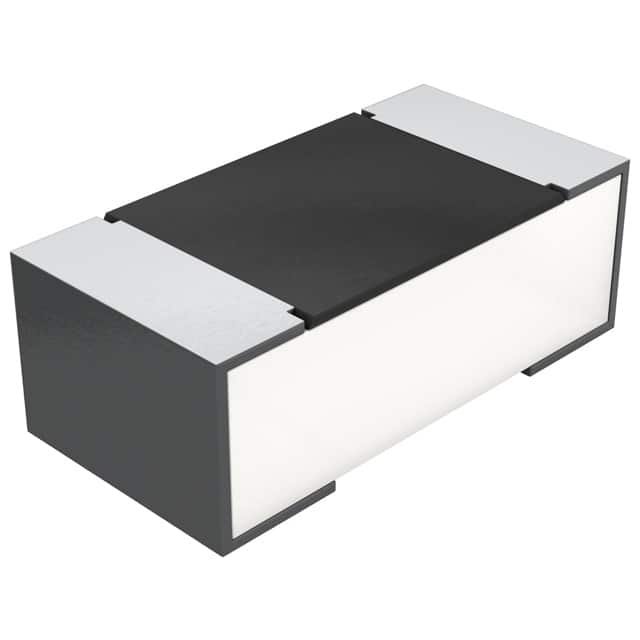
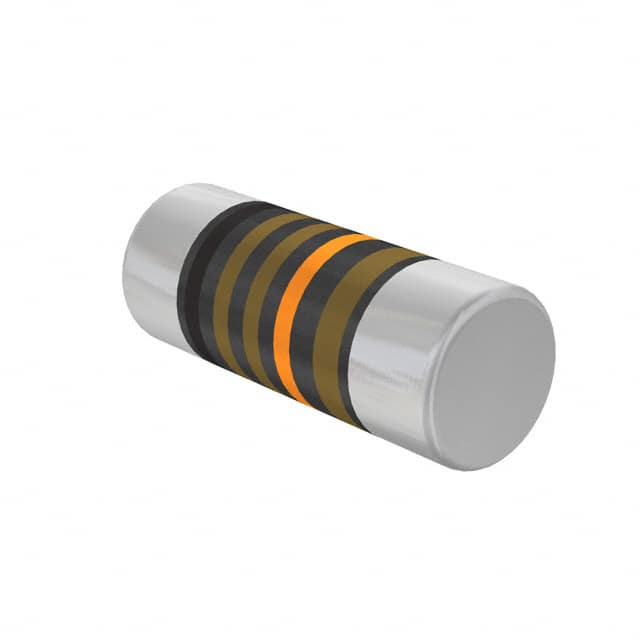
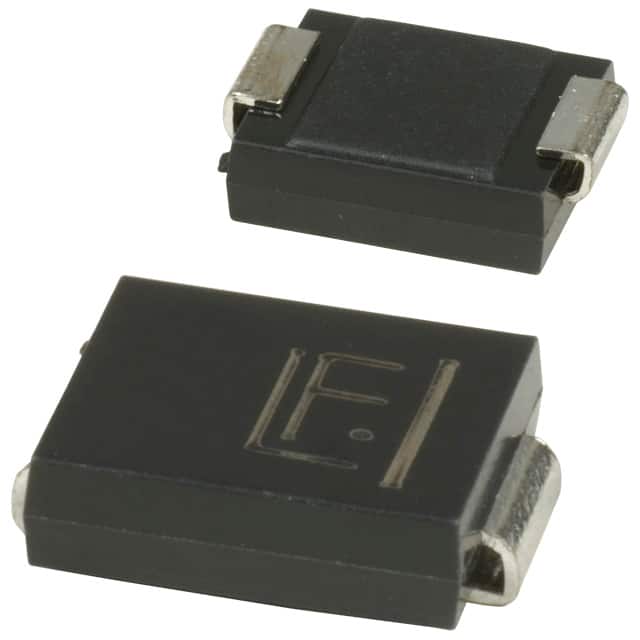
SMD capacitors are the tiny, sleek versions of their Through-Hole counterparts. They sit directly on the surface of the PCB without passing through it. Their compact size makes them ideal for high-density designs—perfect for those space-conscious projects.
How They Work:
SMD capacitors work just like Through-Hole ones—storing and releasing energy between plates. But because they’re smaller, with shorter leads, they perform better in high-frequency applications. This makes them a go-to for fast circuits where you need minimal distortion.
Why You Might Choose Them:
Small Size: The compact nature of SMD capacitors allows for high-density layouts, making them perfect for small, portable devices.
Ideal for High-Frequency: Their short leads minimize parasitic inductance, so they’re great for radio-frequency (RF) applications and other high-speed circuits.
Automated Production: These capacitors are perfect for automated assembly, making mass production cheaper and faster.
Common Uses:
Consumer electronics like smartphones and tablets.
High-frequency circuits for RF applications.
Compact designs such as wearables.
Key Differences Between Through-Hole and SMD Capacitors
When choosing between Through-Hole and SMD capacitors, several key factors must be considered. Below is a detailed comparison of the two capacitor types from various perspectives:
| Parameter | Through-Hole Capacitors | SMD Capacitors |
| Size | Larger, occupies more PCB space | Smaller, ideal for compact designs |
| Mounting Type | Leads pass through the PCB and are soldered on both sides | Mounted directly on the PCB surface |
| Mechanical Strength | Stronger, ideal for high-stress environments | More fragile, less durable under mechanical stress |
| Electrical Performance | Suitable for high power and voltage handling | Superior for high-frequency applications |
| Manufacturing Process | Requires manual or semi-automated assembly | Easily integrated into automated production lines |
| Cost | Higher due to manual assembly and larger size | Lower cost due to mass production and automation |
Mechanical Strength:
Through-Hole capacitors are more robust, with their leads passing through the PCB for a stronger connection. They’re perfect for environments where things might shake, rattle, or get hot. SMD capacitors are more fragile, as they’re only soldered to the surface.
Electrical Performance:
If you need to handle a lot of power and voltage, Through-Hole capacitors are the way to go. They’re better at dissipating heat and handling high currents. On the flip side, SMD capacitors excel in high-frequency circuits, where quick switching and minimal signal distortion are crucial.
Manufacturing & Assembly:
SMD capacitors shine in large-scale production. Their small size allows for automated assembly, which lowers costs. Through-Hole capacitors, on the other hand, require manual assembly and are best for smaller, more custom projects.
Repair & Prototyping:
If you’re prototyping or need something easy to repair, Through-Hole capacitors are much easier to handle. They stick through the PCB, making them simple to solder and replace. SMD capacitors are tiny and more challenging to work with, requiring precision tools.
Reliability & Lifetime:
Through-Hole capacitors tend to last longer due to their larger size and better heat dissipation. They’re ideal for harsh conditions. SMD capacitors, while fantastic for small designs, don’t handle thermal stress as well, which might affect their longevity in extreme environments.
Cost:
SMD capacitors are cheaper to produce, thanks to automated assembly lines. Through-Hole capacitors can be pricier, but they offer durability and reliability in tough conditions.
Common Mistakes to Avoid
Size Isn’t Everything: Don’t choose a capacitor based solely on its size. Other factors like voltage, capacitance, and frequency range are just as important.
Ignoring the Environment: Consider where the capacitor will be used. High temperatures, humidity, or vibration could affect its performance.
Mismatching Voltage and Capacitance: Make sure your capacitor matches your circuit’s needs. Using one with the wrong rating can lead to circuit instability.
How to Pick the Right Capacitor
When choosing the right capacitor, consider:
Space and Size: For compact designs (like mobile devices), go with SMD capacitors. For bigger, more powerful applications, choose Through-Hole capacitors.
Power Requirements: For high-power circuits, go with Through-Hole. If you're working with high-frequency circuits, SMD capacitors are the better choice.
Production & Cost: SMD capacitors are cheaper to mass-produce, while Through-Hole capacitors are better for smaller runs or prototypes.
Conclusion
Both Through-Hole and SMD capacitors have their pros and cons. If you need something tough that can handle high power, Through-Hole capacitors are your best bet. But if you’re designing a sleek, high-frequency device with limited space, SMD capacitors are the way to go. Keep the key factors in mind—size, power needs, durability, and cost—and choose the one that fits your project best.