This guide breaks down the real-world differences between LM358 and LM324, helping you pick the right op-amp with clarity, examples, and quick comparisons
If you're working on an electronics project, you've probably come across two popular op-amps: LM358 and LM324. They look similar, their datasheets read alike, and they even come from the same family. But if you're wondering, "Can I just swap one for the other?" or "Which one should I pick for my circuit?" — you're not alone. In this article, we'll break it down simply and clearly, so even if you're new to electronics, you'll walk away confident in your choice.
LM358 vs LM324 Comparison: Quick Specs Overview and Why It Matters
| Feature | LM358 | LM324 | Meaning for Design |
|---|---|---|---|
| Channels | 2 op-amps | 4 op-amps | LM324 suits multi-stage circuits; LM358 for simple ones |
| Supply Voltage | 3V – 32V | 3V – 32V | Same range, no difference here |
| Bandwidth | ~1 MHz | ~1 MHz | Similar speed, both good for general-purpose tasks |
| Input Bias Current | Higher | Lower | LM324 is better for high-impedance signal sources |
| Power Consumption | Lower | Slightly higher | LM358 better for battery-powered devices |
| Package Type | 8-pin DIP/SOIC | 14-pin DIP/SOIC | LM358 takes up less space |
| Output Voltage Swing | Ground to ~Vcc-1.5 | Ground to ~Vcc-1.5 | No significant difference |
From this comparison table, here are the three key things that stand out:
- Channel count is the big differentiator: LM358 has 2 op-amps, LM324 has 4. If you only need one or two, LM358 keeps your design simpler. But for anything involving multiple signals, LM324 saves you from using multiple chips.
- Package size reflects channel count: LM358 uses an 8-pin package, LM324 a 14-pin. That means LM358 is better for compact layouts, while LM324 trades size for functionality.
- Power consumption slightly favors LM358: It uses less current overall, which makes a real difference in low-power or battery-operated systems — as long as you don't end up using two chips to match LM324's capacity.
These aren't just spec differences — they tell you which chip fits better depending on your space, power, and channel needs.
What Is the Difference Between LM358 and LM324?

To truly understand the difference between LM358 and LM324, we need to go beyond just how many op-amps are inside each. The real distinction starts at the application level — how they're meant to fit into a design, and what compromises they help solve.
Rather than focusing solely on their internal architecture (which is nearly identical), think about their intent:
LM358 is built for simplicity. It’s lean, efficient, and ideal for when you only need a couple of op-amps. It’s often found in small devices, battery-powered circuits, or anywhere layout space is limited.
LM324, on the other hand, is all about integration. It packs four op-amps into one chip, making it perfect for more complex analog systems. You’ll often see it in sensor arrays, multi-stage filters, or signal conditioning circuits where saving board real estate and reducing chip count matters.
So yes, both chips behave similarly at the circuit level. But the key difference lies in how they help you build: LM358 trims things down, LM324 brings things together.
Both LM358 and LM324 are operational amplifiers (op-amps), which are little building blocks for analog circuits. You can use them to amplify signals, filter noise, or create things like oscillators. They both work well with a single power supply and are known for being low-cost and easy to use.
LM358: The Simple, Compact Choice
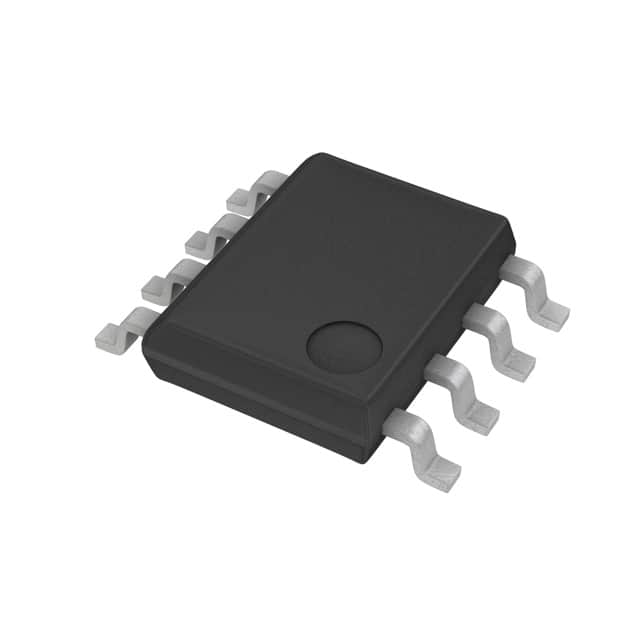
LM358 contains two op-amps in an 8-pin package. It's great when you only need one or two amplifiers in your design. It takes up less board space and uses a bit less power, which is perfect for compact, battery-powered gadgets.
LM324: The Four-in-One Workhorse
LM324, on the other hand, has four op-amps in a 14-pin package. It shines in projects that need multiple signal paths or where you're doing a lot of analog processing. Instead of using two LM358s, you might just grab one LM324 and save cost and complexity.
also read:
LM358 vs LM324 Performance Differences and Design Impact
To really understand which chip performs better in your circuit, we need to stop thinking in vague terms and look at measurable behavior in typical applications.
Output Drive Capability
LM358 generally delivers less output current than LM324. LM324 can handle slightly heavier loads, which helps when driving indicators like LEDs or relays directly from the op-amp output.
Noise and Signal Accuracy
LM324 tends to introduce less input bias current. That matters when reading signals from high-impedance sources like certain sensors or analog inputs, where even tiny current draw can cause measurement errors.
Input Voltage Offset
Though both have similar typical offset voltages, LM324 is more consistent when using all four op-amps in matched roles. This makes it a safer pick for circuits that rely on balanced performance across multiple stages.
Handling Single-Supply Conditions
LM358 is often more predictable near ground in single-supply designs. If your op-amp needs to operate with signals close to zero volts, LM358 may be more stable and reliable in such situations.
Signal Distortion
Neither is meant for high-fidelity audio, and distortion levels are similar in most general uses. For anything requiring clearer audio or analog quality, you'd likely need a higher-end op-amp anyway.
So when choosing, focus less on theoretical specs and more on which design constraints matter to you: output strength, signal sensitivity, or how your circuit uses supply voltage. These aren’t precision op-amps — they’re affordable, flexible workhorses.
Are LM358 and LM324 Interchangeable?
Many people wonder: "Can I just plug an LM358 where an LM324 was, or vice versa?"
Here’s the honest answer:
Functionally, yes — both are general-purpose op-amps with very similar electrical characteristics. But physically and practically, it’s not that simple:
- Pin Count & Layout: LM358 has 8 pins and LM324 has 14. This means they won’t fit the same socket or PCB footprint. You can't just swap one in without redesigning the board.
- Channel Availability: If your original design uses all 4 op-amps in an LM324, replacing it with a single LM358 won't work unless you add a second chip.
LM358 and LM324 Substitution Tips
If you're starting a new design and only need two op-amps, choosing LM358 is smart. If you need three or more, LM324 will save board space and simplify wiring.
How to Choose Between LM358 and LM324 for Your Project
To help you decide at a glance, here’s a quick guide:
| Application | Better Choice | Why |
|---|---|---|
| Simple audio amplifier | LM358 | Only 1–2 op-amps needed, small form factor |
| Analog sensor front-end | LM324 | Multiple inputs, lower input bias current |
| Battery-powered data logger | LM358 | Lower power consumption, compact design |
| Analog filter (multi-stage) | LM324 | Four amps in one chip, simplifies layout |
| Arduino DIY project | Either | Depends on how many op-amps your design needs |
Alternatives to LM358 and LM324 Op-Amps
While LM358 and LM324 are great general-purpose chips, they might fall short in high-performance tasks. For better speed, noise reduction, or audio quality, consider these:
LM358 upgrades: TL072, OPA2134 (for audio or high-fidelity signals)
LM324 upgrades: TL074 (higher slew rate and bandwidth)
Just remember: higher specs often mean higher price and tighter supply requirements.
Conclusion
LM358 and LM324 are like close relatives — they share a lot in common but suit different situations. LM358 is your go-to for compact, power-conscious designs. LM324 shines when your project needs multiple op-amp stages in one neat package.
Now that you understand not just the numbers but what they mean in real-world projects, you can confidently pick the right one for your next build.
Happy tinkering!